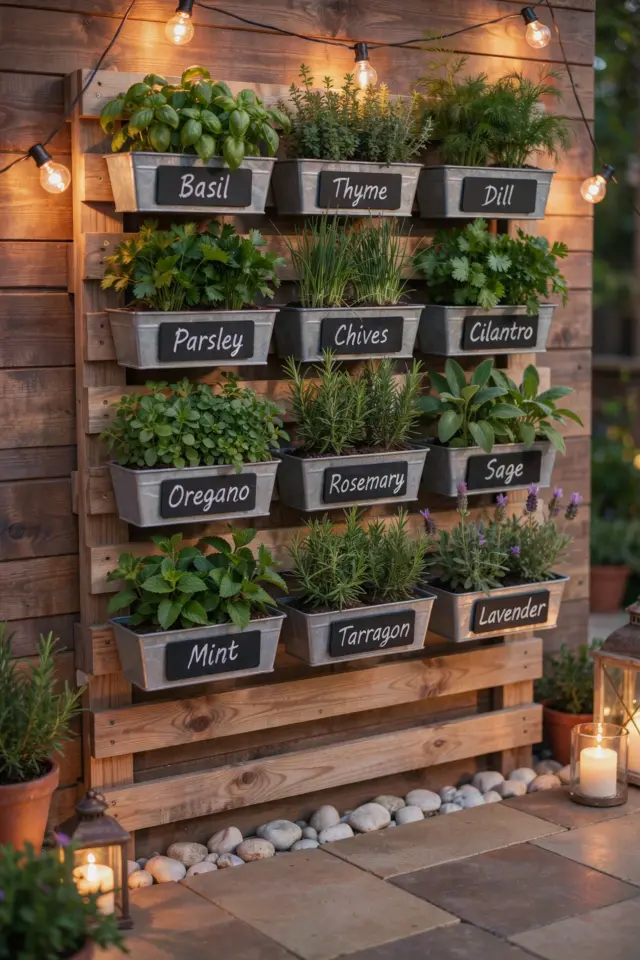
Choosing the wrong location for your vertical herb garden
I have seen so many eager gardeners hang their new vertical herb garden in a spot that looks nice but kills their plants. The most common mistake is tucking it against a shady wall or under an eave where rain never reaches. Basil, mint, and thyme all need at least six hours of direct sun daily. Mint can tolerate a bit less, but basil will sulk and grow leggy. Before you build anything, walk around your patio or balcony at different times of day. Mark where the light falls. That sunny corner by the railing or the south-facing fence is your best bet.
Another location slip is putting your vertical garden too close to a heat-reflecting surface like white stucco or metal siding. That extra heat can scorch tender leaves, especially for thyme. I recommend leaving a gap of at least six inches between the back of your planter and any wall. This also allows airflow, which prevents mildew. If you only have a shaded balcony, skip basil and go for mint, parsley, and lemon balm instead.
Overwatering and poor drainage
Vertical gardens look beautiful with water trickling down through each tier, but that look can drown your herbs. The biggest killer of small-space herb gardens is root rot from too much water. People assume more water is better, especially in summer. But herbs like thyme actually prefer to dry out between drinks. Mint and basil are thirstier, but even they hate sitting in soggy soil.
To avoid this, drill generous drainage holes in every planter pocket. If you are using fabric grow bags or felt pockets, make sure they aren’t lined with plastic. I also suggest adding a layer of gravel or perlite at the bottom of each pocket before filling with soil. For watering, stick your finger an inch into the soil. If it feels dry, water slowly until you see a little run out the bottom. Do not water again until the top inch is dry.
- Use a moisture meter if you are unsure.
- Water in the morning so leaves dry before night.
- Never let your pots sit in a saucer of water.
Picking herbs that don’t suit your space
Not every herb is happy in a vertical garden. The best herbs for small space vertical garden setups are compact, vigorous, and forgiving. Basil, mint, and thyme are excellent choices, but they have different growth habits. Thyme stays low and trails nicely, perfect for top or middle pockets. Mint spreads aggressively, so it should get its own pocket or else it will crowd out neighbors. Basil grows upright and bushy, so give it a deeper pocket on the bottom tier where roots have room.
A mistake I made early on was planting dill and cilantro in the same vertical garden. They get tall and lanky, then flop over the pockets below, blocking light. Avoid large herbs like rosemary unless your planter is very deep. Also skip anything with a taproot like parsley roots can get long. Stick to shallow-rooted herbs that you will harvest regularly. That constant trimming keeps them compact and productive.
Skipping proper soil and planter prep
Soil preparation for a vertical herb garden is not the same as for a regular pot. You cannot just grab garden dirt or cheap potting mix. Garden soil is too heavy; it compacts and holds water, suffocating roots. I use a lightweight potting mix designed for containers, then mix in about 20 percent perlite or coarse sand for drainage. Add a slow-release organic fertilizer blended into the soil before planting.
Another overlooked step is lining wooden planters with landscape fabric or plastic to protect the wood from rot. If your vertical structure is pallet wood, staple a sheet of weed barrier inside each slat before adding soil. For metal or plastic structures, check that there are no sharp edges that could cut roots or your hands. Fill each pocket gently, tap it to settle soil, then water thoroughly before planting. This prevents air pockets that dry out roots.
Forgetting about sunlight and airflow
Even with a perfect location, sunlight needs for a vertical herb garden change as the season shifts. That spot blazing in June may be shaded by August if a tree leafs out. Check your site every few weeks. If you notice leaves stretching toward the light, rotate the entire structure or move it. For balconies, consider a rolling plant caddy under your vertical frame so you can shift it easily.
Airflow is just as important. Dense foliage in a vertical garden can create still, humid pockets that attract aphids and powdery mildew. I space my herb pockets at least four inches apart vertically and six inches horizontally. Prune regularly to keep air moving. Thyme especially needs good circulation to avoid mold. If your balcony is enclosed, add a small oscillating fan on low during humid weather.
Building a structure that won’t last
A durable vertical herb garden planter should survive rain, wind, and the weight of wet soil. I have seen people use untreated pine that rots within one season. For a DIY build, choose cedar, redwood, or pressure-treated lumber. Cedar lasts years without any finish. If you want a budget option, use galvanized steel shelving or heavy-duty plastic lattice. Avoid particle board or MDF; it will
#verticalherbgarden #DIYherbgarden #smallspacegardening #outdoordecor #herbgardenideas
Leave a Comment