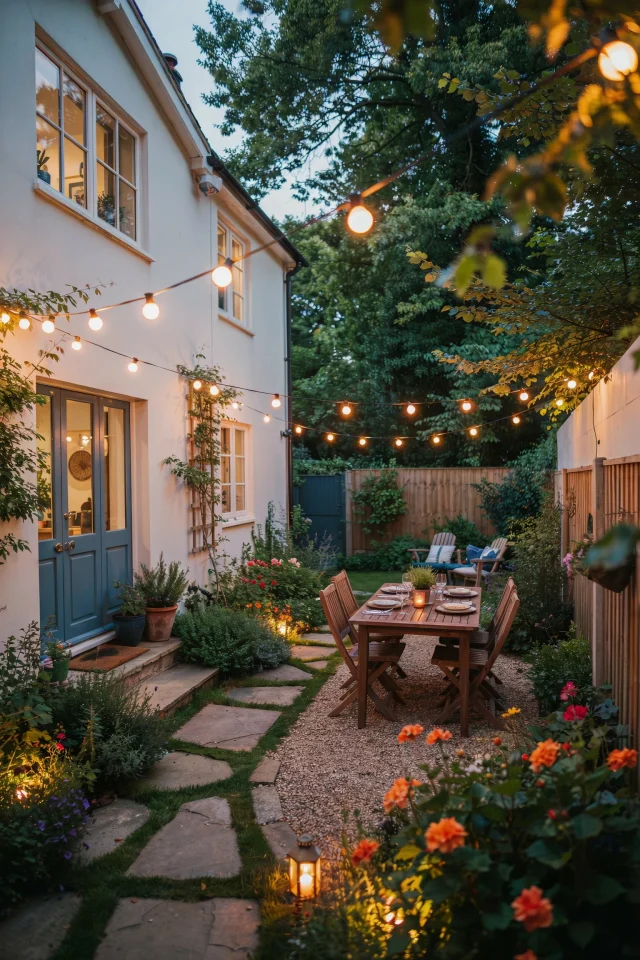
If your backyard is small and you are not sure what to do with it, paving might be the answer. A small paved backyard can turn a cramped patch of concrete or dirt into a place where you actually want to hang out. I have seen tiny spaces become the favorite room of the house, just by laying down the right kind of stone or brick. The trick is to work with the size instead of fighting it. This guide walks you through everything from picking materials to arranging furniture, with zero assumed experience. You do not need to be a contractor or a designer to pull this off.
Why Choose a Paved Backyard for a Small Space?
Grass requires constant mowing, watering, and weeding, and in a small yard it can feel more like a chore than a retreat. A paved surface gives you a clean, dry area that works from spring through fall. You can set chairs on it right after a rain shower. You can sweep it clean in five minutes. For a tiny yard, hardscaping also makes the space feel larger because there is no messy transition between the house and the garden. The solid floor extends your living area outdoors without eating up square footage with mulch or dirt paths. Plus, a paved backyard adds real value to your home. If you ever sell, buyers will see a low maintenance entertaining space instead of a weedy strip of grass.
Getting Started: What You Need to Know About Paving Materials
Before you start digging, you need to choose the right material. Concrete pavers are the most common choice for a small paved backyard because they are cheap, easy to install, and come in many shapes. I prefer concrete over poured concrete because paver stones can be replaced individually if one cracks. Natural stone like flagstone or slate looks beautiful but costs more and requires a steady base. Brick gives a classic, warm look, but it can get slippery when wet. You also have permeable pavers, which let rainwater soak through. Those are great if your yard has drainage issues. For a beginner, I recommend starting with concrete pavers in a simple rectangle or square shape. They are forgiving to lay and your local home center will have them in stock.
Keep the size of the pavers in scale with your yard. Large slabs can make a very small patio feel awkward, while tiny bricks might look busy. A 12 by 12 inch paver is a safe middle ground. And do not forget the base. A proper foundation of crushed stone and sand is what keeps your paved surface level and gap free for years. Skip the base, and you will have wobbly stones and weeds within a season.
Geometric Patterns That Make Your Patio Feel Larger
The layout of your pavers can trick the eye into seeing more space than there is. Linear patterns, especially long rectangles laid in a running bond like a brick wall, make the yard feel wider or longer depending on the direction. If you have a narrow backyard, lay the pavers parallel to the house to stretch the width. For a square yard, a herringbone pattern adds movement and makes the floor look like a woven rug. Basket weave is another good option for small spaces because the interlocking shapes create a sense of order. Avoid random, jumbled patterns in a small yard. They can make the area feel cluttered and smaller. Stick to straight lines or repeating angles.
Here are three geometric patterns that work well in tight spaces:
- Running bond – simple, classic, and easy for a beginner to lay. Pavers are staggered like bricks.
- Herringbone – pavers set at 90 degree angles in a V shape. It adds texture and makes the patio look more expensive.
- Stacked bond – pavers lined up in a grid. Very modern, but make sure the seams are tight so the pattern does not look messy.
When you pick a pattern, also think about the border. A contrasting border of darker pavers around the edge can frame the seating area and keep the design from feeling unfinished. Use a different color or a slim paver to create that border. It is a small detail that makes a big difference.
Creating Zones: Where to Put the Dining Area and the Fire Pit
In a small paved backyard, you cannot just throw furniture around and hope it works. You need to carve out distinct areas for different activities. The most common setup is a dining corner next to a lounge zone. If your yard is a rectangle, split it in half along the length. Use one end for a small table and chairs, and the other end for two comfortable seats or a bench. A fire pit can go in the center of the lounge zone, but keep it small. A 24 inch diameter fire pit is plenty for two people and does not eat up the whole patio.
If you only have room for one zone, pick what you will actually use. I have seen too many tiny patios stuffed with a grill, a table, a fire pit, and a chaise lounge, and nobody can walk through it. Choose the activity you do most. If you eat outside five times a week, prioritize the dining set. If you love evening chats, go for a fire pit with two chairs. You can always add a small side table or a plant to fill the leftover space without crowding it.
To separate zones, use a change in paver pattern or a subtle color shift. You can also lay a row of contrasting stones as a visual divider. That keeps the yard feeling like one cohesive space while telling the eye where each activity lives.
Adding Greenery Without Losing Your Paved Surface
Just because the ground is paved does not mean you have to give up plants. In fact, planting in containers and narrow beds is the best way to soften hard edges in a small paved backyard. Use tall pots with hardy shrubs or ornamental grasses to create vertical interest. A row of boxwoods in square planters along one wall can feel like a hedge without taking up ground space. For a pop of color, put annual flowers in a few ceramic pots on the table or by the door. Do not plant directly into the paver gaps unless you are ready to deal with weeds. Instead, leave a thin strip of soil along the fence or house foundation and plant climbers like jasmine or clematis. They grow up, not out, so they do not steal square footage.
You can also install a small raised planter bed right on top of the pavers. Build a simple wood frame, line it with landscape fabric, fill it with soil, and plant low growing herbs or succulents. That gives you a garden feel without breaking up the hardscape. Just make sure the planter has drainage holes so water does not pool on the pavers underneath. A few well placed pots and one raised bed go a long way. More than that, and you start cluttering the space.
Budget Friendly Ideas for a DIY Paved Backyard
You do not need to hire a crew to get a beautiful small paved backyard. Many homeowners can handle the job themselves over a weekend. Start by renting a plate compactor from a tool rental place. That machine will cost about 60 dollars a day but it is essential for settling the base. Buy your pavers in bulk from a landscape supply yard instead of a big box store. You can often save 30 percent per stone. For a 10 by 10 foot patio, you will need roughly 100 square feet of pavers, plus extra for cutting and waste. Ask the supplier if they sell remnant pieces of natural stone at a discount. Those odd shaped pieces can be arranged in a mosaic pattern that looks custom for a fraction of the price.
If you are on a very tight budget, consider using gravel or decomposed granite instead of stone pavers. It is not as tidy as interlocking pavers, but it drains well and costs pennies per square foot. You can edge the gravel with pressure treated lumber or metal strips to keep it contained. Then lay a few large stepping stones in the middle to create a path and a firm spot for furniture. That hybrid approach gives you the paved look without the full expense. Also, check online marketplaces for leftover pavers from other people’s projects. People often sell a few dozen pallets for cheap when they over ordered.
Lighting and Decor: The Finishing Touches
Once the paving is down, the right lighting turns your small backyard into a cozy night spot. String lights are the easiest option. Hang them overhead in a zigzag pattern to make the ceiling feel lower and more intimate. You can also use solar lanterns on the ground or battery powered candles on the table. Avoid harsh floodlights. They wash out the space and make it feel like a parking lot. Instead, go for warm, low level light that highlights the texture of the pavers and the plants.
For decor, less is more in a small paved yard. Pick one or two items with personality: a bright outdoor rug, a patterned cushion, or a metal side table. Let those pieces stand out against the neutral paver surface. You can add an outdoor mirror on a fence to reflect light and make the yard look twice as big. Just anchor it securely so it does not fall and break. And do not forget shade. A cantilever umbrella on a stand can be moved around to cover the dining table or the lounge chairs without taking up floor space. A retractable awning is a bigger investment, but it gives you full shade control on hot afternoons.
Making a small paved backyard work is all about smart choices and realistic expectations. You do not need a massive budget or a professional crew. Start with a solid paver base, choose a simple pattern, and focus on one or two functional zones. Then add plants and lights slowly. That way you build a space you actually want to use, not a Pinterest picture that feels overwhelming. If you have a tiny patch of paved heaven waiting to happen, pick one idea from this list and start this weekend. Your future self will thank you when you are sipping coffee on your own tidy, low maintenance patio.
#SmallPavedBackyard #PatioDesign #OutdoorLiving #BackyardInspo #HardscapeIdeas
Leave a Comment