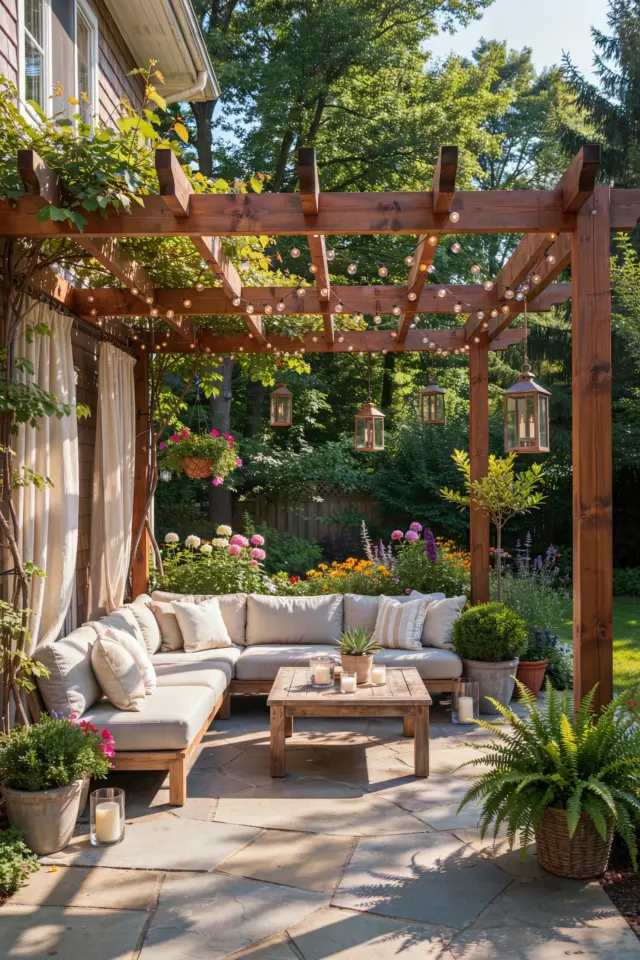
If you have been browsing for pergola ideas for backyard spaces, you already know how much a well placed structure can change the way you use your outdoor area. The challenge is finding something that looks good, provides real shade, and does not blow your renovation budget. I have spent years helping friends and neighbors plan their yards, and I have learned that you do not need a contractor or a huge pile of cash to get a stylish pergola. The key is knowing which designs fit your space and your wallet, and that is exactly what this guide covers.
Affordable DIY Pergola Kits That Look Custom
You do not have to build a pergola from scratch to save money. Many home improvement stores sell kits that cost a fraction of what a custom build would run. A basic metal or vinyl kit can be set up over a weekend with two people and a drill. I have installed a 10×10 foot aluminum kit for under $600, and it has held up through three rainy seasons without rusting.
If you prefer wood, look for untreated pine kits. You can stain or paint them yourself, which adds a personal touch without the premium price of cedar or redwood. Just be sure to seal the wood properly to avoid warping.
- Aluminum kits are lightweight, rust proof, and often come with a powder coated finish.
- Vinyl kits require almost no maintenance, just an occasional rinse with the hose.
- Wood kits (pine or fir) are cheaper upfront but need yearly sealing or painting.
Salvaged Materials for a Rustic Pergola Look
Scavenging materials is one of the most budget friendly ways to create a unique structure. Old fence posts, reclaimed lumber from barns, or even metal pipes from demolition sites can become a stunning pergola. I once visited a backyard where the owner used thick branches pruned from a neighbor’s oak tree as horizontal beams. The whole project cost less than $100 for hardware and concrete.
Be mindful of rot and insects with salvaged wood. Treat all reclaimed pieces with a borate based preservative before assembly. This keeps the look rustic while ensuring the structure lasts more than a couple of seasons.
Shade Solutions on a Budget: Cloth Canopies and Plants
A pergola without any overhead coverage can feel like a hot skeleton in the middle of summer. You do not need expensive louvered roofs or motorized shades. Instead, try a simple canvas canopy that attaches with grommets and bungee cords. I bought a 10×12 foot white shade sail for $40, and it cut the sun’s intensity by at least 70 percent.
Another low cost option is growing fast climbing plants. Hops, morning glories, or hardy kiwi vines can cover a pergola in one growing season. They provide natural cooling and a beautiful green ceiling. Just make sure your structure can support the weight of mature vines, especially after rain.
String Lights and Curtains for Instant Ambiance
Lighting is the easiest way to make a pergola feel like an extension of your living room. Warm white string lights cost around $15 per 50 foot strand. Drape them in a zigzag across the beams for a soft glow that makes dinner outdoors feel special. I prefer the vintage Edison bulb style, but even basic globe lights work well.
Outdoor curtains add both shade and privacy. Use shower curtain rings on a tension rod clipped to the pergola posts. Choose a light color to reflect heat. If you catch them on sale, a set of four panels can be under $50. When the wind picks up, tie them back with rope or leather straps.
Multipurpose Pergola Designs for Small Yards
If your backyard is tight, think of your pergola as a vertical storage and seating combo. Build a small 8×8 foot structure with a built in bench along one side and hooks on the posts for hanging tools or planters. I helped a neighbor turn her 12×12 foot concrete patio into a cozy reading nook with a 6×6 foot pergola, a foldable table, and two hanging chairs.
For maximum function, install a retractable clothesline under the beams. You can hang wet swimsuits or damp towels while the sun filters through. When you have guests, just unhook the line and no one notices it was ever there.
Keeping Costs Down with Simple Footings
Expensive concrete footings can eat a big chunk of your budget. Instead, use deck blocks or precast concrete piers that sit on leveled gravel. These do not require digging deep holes or pouring wet concrete. I have used them on three different pergola projects, and all have stayed perfectly level for years.
For a freestanding pergola on grass, you can also try ground screws. They twist into the soil with a manual handle and cost about $15 each. This method avoids any permanent damage to your yard, which is great if you rent or plan to move the pergola later.
Maintenance Tips That Extend the Life of Your Budget Pergola
Spending a little time on upkeep saves you from replacing the whole thing after a few seasons. If you have a wood pergola, apply a clear water repellent every spring. For metal or vinyl, check the screws and brackets once a year and tighten any that have worked loose. Clean the beams with a mild soap solution to prevent mildew, especially if you live in a humid area.
Store any fabric components, like shade sails or curtains, indoors during winter. Even weather resistant fabrics degrade faster when left in snow and freezing rain. A dry basement shelf will keep them crisp for many summers to come.
Transforming your backyard with a pergola does not require a big renovation budget or professional help. By choosing a kit, using salvaged materials, and adding simple shade and lighting, you can create a comfortable outdoor spot that fits your style and your wallet. Start with one of these ideas, adjust it to your space, and you will have a backyard that feels like a retreat without the steep price tag. If you
#PergolaIdeas #BackyardInspo #OutdoorDecor #PergolaDesign #ShadeStructures
Leave a Comment