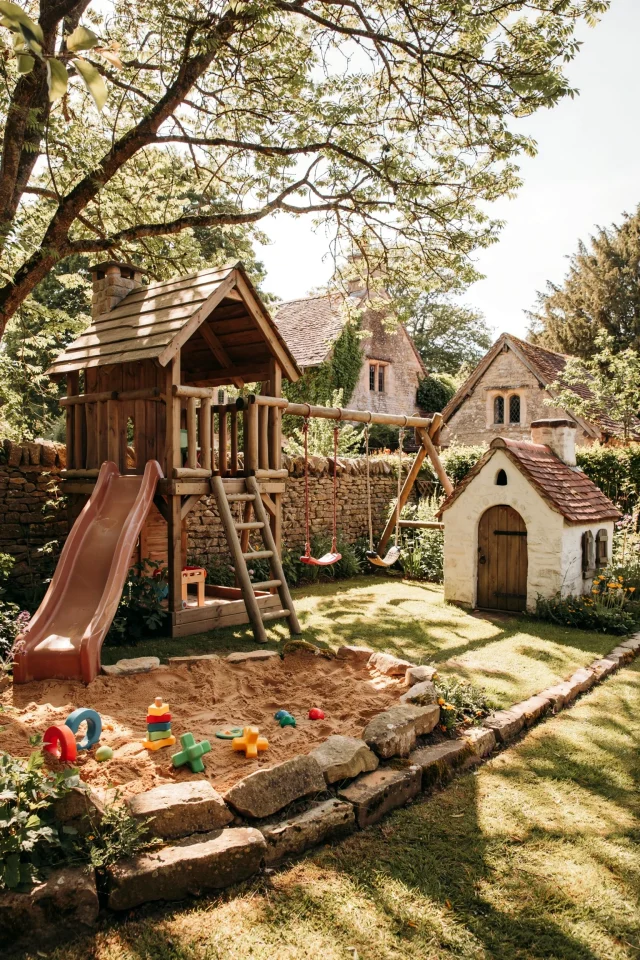
If you have been scrolling through Pinterest dreaming of the perfect patio that doubles as a play zone for your kids, you are not alone. But here is the honest truth: many well-intentioned backyard projects end up looking like a plastic toy explosion rather than a cohesive outdoor living space. The struggle between making a patio kid-friendly and keeping it aesthetically pleasing is real. That is why I want to share the most common mistakes parents make when blending KidsBackyardIdeas with patio style, and more importantly, how to fix them without blowing your budget. This guide is not about unattainable designer yards. It is about practical, realistic choices that let your children have fun while your patio still looks like a place you want to sit with a coffee.
Mistake #1: Shoving Too Many Plastic Toys Into One Corner
A bright red plastic slide, a purple sandbox, and a green and yellow playhouse squeezed together create visual chaos. That is the fastest way to ruin your patio aesthetic. The mistake is thinking you need to buy everything from the big-box toy aisle to keep kids happy. Instead, choose one or two larger pieces that fit your existing color palette or can be toned down with neutrals.
For a budget-friendly fix, look for wooden or wicker play furniture. A simple wooden play kitchen painted in black or sage green blends into a patio far better than a neon one. Alternatively, a small metal bistro table with tiny chairs gives kids a place for snacks and art without screaming “toy.” Your outdoor play spaces will still be fun, but they will feel intentional.
Keep surfaces clean of scattered equipment. Use a storage bench or a large outdoor basket to corral balls, jump ropes, and chalk. When things are put away, your patio instantly feels grown-up again.
Mistake #2: Ignoring Safety in Favor of Looks
I have seen beautiful patios with glazed ceramic pots, sharp metal edges, and uneven flagstones that are a nightmare for running toddlers. The second mistake is focusing only on decor while forgetting that kids fall, trip, and grab everything. You do not have to choose between safety and style, but you do have to plan carefully.
Start by examining your patio surface. If you have concrete or stone, add a soft outdoor rug or interlocking foam tiles in a subtle pattern. These tiles come in wood-grain or stone-look finishes now, so they do not scream “playroom floor.” For additional safety around a swing set or climbing area, lay down rubber mulch in a dark brown color instead of bright shredded rubber. It cushions falls and looks like natural ground cover.
Also, avoid plants that are toxic to kids or have thorns near play zones. Swap prickly roses for lavender or rosemary. Both smell great, deter mosquitoes, and are safe to brush against. Safety does not have to be ugly, but ignoring it is the biggest mistake you can make.
Mistake #3: Forgetting Defined Zones for Different Activities
Many parents throw everything into one big open space and then wonder why kids are bored or why the patio feels cluttered. The mistake is not creating separate zones for active play, quiet time, and eating. Without zones, bike riding happens over the picnic blanket, and art supplies get mixed with sand toys.
Use simple, cheap dividers to create boundaries. A low wooden planter box can separate a digging zone from a seating area. An outdoor rug under a small table defines the snack zone. For active play, a strip of artificial grass or a small patch of turf in one corner signals “run here.” You can even use chalk to draw a hopscotch pattern or a circle on the patio itself. That costs nothing and gives clear visual cues.
When you define zones, kids understand where to do what, and the patio keeps its structure. Your BackyardDesign will feel more intentional and your children will play longer because each area has a purpose.
- Quiet zone: A small tent or canopy with cushions and a basket of books.
- Active zone: A dedicated spot for a small slide, tricycle parking, or a mini trampoline with a net.
- Messy zone: A water table or sand box placed on a waterproof mat near a hose.
- Dining zone: A kid-sized table or a low coffee table where snacks stay contained.
Mistake #4: Buying Cheap, Unsightly Materials That Fall Apart
I understand the urge to grab the $20 sandbox from the superstore. That is a common mistake. Those cheap plastic sandboxes crack within a season, fade in the sun, and look terrible on your patio. Spending a tiny bit more on longer-lasting materials actually saves money and keeps your patio aesthetic intact.
Instead of a cheap plastic playhouse, consider building a simple DIY teepee from wooden poles and a drop cloth. It costs under $30, looks boho, and can be taken down easily. For a sandbox, use an old wooden wine crate or a large metal trough from a farm supply store. They rust beautifully over time and have a natural patina that fits any patio style. For a water play station, a galvanized tub on a stand works perfectly.
The key is to choose materials like wood, metal, and natural fibers. They age well and look intentionally rustic, not cheap. If you do buy plastic, try to find it in muted colors: grays, tans, or deep greens. Avoid bright primary colors unless your whole patio is themed that way.
Also, invest in a good outdoor storage box made of wicker or teak. It hides all the unsightly plastic toys and doubles as a seat or side table. That one purchase can transform your patio from messy to magazine-ready.
Mistake #5: Overlooking Nature Play and Sensory Elements
Many parents buy toys when kids would rather play with mud, sticks, and water. The mistake is ignoring natural play elements that are free and look great in a backyard. A pile of smooth river stones, a small patch of dirt for digging, and a few stumps for balancing cost nothing but add huge value to your outdoor play spaces.
Create a small “nature table” on a stump or low shelf. Kids can collect leaves, acorns, and feathers to arrange and examine. Add a simple bird feeder nearby so they can watch wildlife. These activities encourage calm, focused play and blend seamlessly into your patio decor. You do not need a giant playset for kids to have fun. Often, the best play things are found in your own yard.
If you have a patch of ground, plant some fast-growing sunflowers or mint. Kids love watching things grow and picking leaves to smell. Sensory gardens are beautiful, fragrant, and engaging for children of all ages. Plus, they provide shade and privacy over time.
Mistake #6: Trying to Make Everything Permanent for a “Future” That Might Not Arrive
A common mistake is installing permanent structures like large swing sets, built-in sandboxes, or heavy playhouses that take up half the yard. Kids’ interests change quickly. What your three-year-old loves today might be ignored by the time they are six. Instead, design your patio play area to be flexible and easy to change.
Use lightweight furniture that can be rearranged. Choose play elements that can be moved or stored away. A small pop-up tent can be replaced by a reading nook next year. A water table can become a planter for herbs later. When you design with adaptability in mind, your patio stays fresh and your kids stay engaged. And you do not have to rip out a huge wooden structure that is no longer used.
Another tip: involve your kids in the process. Let them pick a color for an outdoor cushion or help arrange the stones in the nature area. When they feel ownership, they play more respectfully. Plus, you teach them design thinking and responsibility.
Mistake #7: Neglecting Grown-Up Comfort Altogether
I see many patios that are completely taken over by children. There is no place for an adult to sit comfortably. That is a mistake because if you cannot relax, you will not enjoy the space. And when you are stressed, the whole FamilyOutdoor experience suffers. The secret is simple: always include at least one adult seating area.
This can be a small bistro set with two chairs and a tiny table tucked to the side. Or a simple bench with a cushion. Even a couple of floor cushions for lounging works. When you have a spot to sit with your coffee while your kids play nearby, everyone feels better. The patio becomes a family retreat, not a daycare drop zone.
Use a plant or a low fence to visually separate the adult nook from the play zone if you want. That way you can watch the kids but still feel like you are in your own little corner. Add a candle or a string of fairy lights to make it cozy at night. This small investment in your own comfort makes the whole patio feel more sophisticated.
Creating a stylish and functional patio for kids does not require a huge budget or a degree in interior design. It just requires avoiding the common traps of plastic overload, safety neglect, and permanent structures that do not serve you. Focus on natural materials, defined zones, flexible pieces, and always keep one corner for yourself. Your PatioAesthetic will thank you, and your kids will have a space where imagination thrives without looking like a toy store threw up.
Have you made any of these mistakes? I would love to hear what worked for you and what did not. Drop a comment below with your favorite budget-friendly trick for blending kids play with patio style. And if you found this helpful, pin it to your OutdoorPlay board so you can come back to it later.
#KidsBackyardIdeas #PatioAesthetic #OutdoorPlay #BackyardDesign #FamilyOutdoor
Leave a Comment