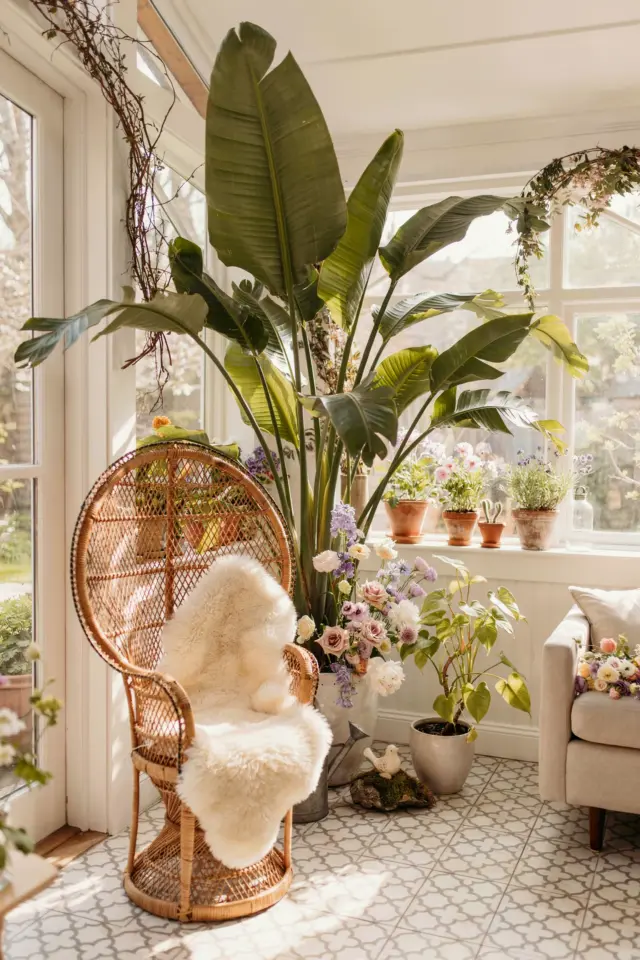
If you have ever walked past a neighbor’s patio and felt a pang of envy at how effortlessly their greenery blends with the outdoor furniture, you are not alone. I have spent the last few seasons experimenting with houseplant garden decor ideas, and the biggest lesson I learned is that moving indoor plants outside is only half the story. The real magic happens when you treat your exterior space like an extension of your living room, but with sun, rain, and wind in mind. This spring and summer, the trend is all about taking those beloved fiddle leaf figs, snake plants, and trailing pothos out onto the porch, then styling them so they look intentional rather than just dumped there. Let’s talk about how to make that work without turning your backyard into a jungle (unless that is your vibe).
Choosing hardy houseplants that actually survive outdoor conditions
Not every houseplant can handle a gust of wind or a sudden rain shower. I learned this the hard way when a beautiful calathea turned crispy after one afternoon on the deck. For outdoor styling, you want plants that can handle a bit of direct sun, fluctuating temperatures, and occasional neglect. Succulents, agaves, and certain ferns are excellent choices because they adapt quickly. Aloe vera, ponytail palms, and rubber trees also do well in sheltered spots.
If you live in a cooler climate like I do, treat these plants as seasonal guests. Bring them inside before the first frost, and you can enjoy them outside from late spring through early autumn. For a low maintenance approach, combine a few large statement plants with small clusters of succulents in a shallow dish. That mix gives you height, texture, and a forgiving nature if you forget to water for a few days.
Pairing textured pots and containers for visual depth
The container you choose can transform a simple houseplant into a sculptural centerpiece. I have a weakness for unglazed terracotta because it breathes, but the orange color can clash with modern furniture. A current trend is mixing matte black or charcoal pots with raw linen colored planters. The contrast makes the green foliage pop. For a more playful look, try using woven baskets as cachepots (just line them with plastic to protect your floors or deck).
When styling multiple plants together, vary the heights and textures. Place a tall, slim pot next to a wide, shallow bowl. Group an odd number of pots, like three or five, to create a balanced asymmetry. Add one metallic or glossy ceramic piece to catch the light. This approach stops your collection from looking like a nursery shelf and starts looking like a curated outdoor room.
Using garden ornaments and structures as natural focal points
Houseplants are great, but alone they can feel a bit flat. Adding a small garden ornament, like a stone sphere, a metal sculpture, or even a vintage watering cane, gives the eye something to rest on between the leaves. I have a small concrete birdbath that I turned into a planter for a single trailing ivy. It becomes a conversation piece because the water basin now holds soil and greenery instead of rain.
Structures like a trellis, an arch, or a simple wooden ladder also add vertical interest. Train a climbing philodendron or a monstera adansonii up the trellis. The leaves will unfurl in new directions, and the structure gives your outdoor decor a defined boundary. If you have a bare wall, lean a tall mirror against it, but only if it is weather resistant. The reflection doubles the visual greenery without any extra plants.
Arranging greenery for natural flow and easy maintenance
One mistake I made early on was placing all my plants in a straight line along the railing. It looked like a lineup, not a garden. For a more organic feel, create clusters that echo the shape of the space. If your patio is rectangular, put the tallest plant at one end and let the size taper down toward the other end. If you have a round table, place a central arrangement with a low fern surrounded by a few small pots.
Think about how you move through the area. Leave gaps so you can walk easily. Do not block doorways or seating. And consider the sun path: place sun loving plants like succulents on the side that gets afternoon light, while ferns and calatheas stay in the shade. This small planning saves you from having to shuffle pots around every afternoon.
- Group plants with similar water needs together to simplify your watering routine.
- Use a drip tray or saucer under every pot to protect your deck or patio from water stains.
- Rotate pots every two weeks so all sides get even light and growth stays balanced.
- Elevate small pots on a stool or brick to create levels without buying new furniture.
Low maintenance tips for keeping outdoor houseplants happy
Outdoor plants dry out faster than indoor ones because of wind and heat. I now water my outdoor houseplants every morning during a heat wave, but only if the soil feels dry an inch down. Overwatering is still a problem, especially if your pots have poor drainage. Mix a little perlite or coarse sand into the potting soil before you move the plants outside. This helps water drain quickly and prevents root rot.
Fertilize once a month with a balanced liquid feed diluted to half strength. Do not fertilize during a drought or when the plant is stressed by too much sun. And keep an eye out for pests. Aphids and spider mites love to find new homes on tender new growth. A quick
#houseplant #outdoordecor #gardenstyle #plantstyling #greenery
Leave a Comment