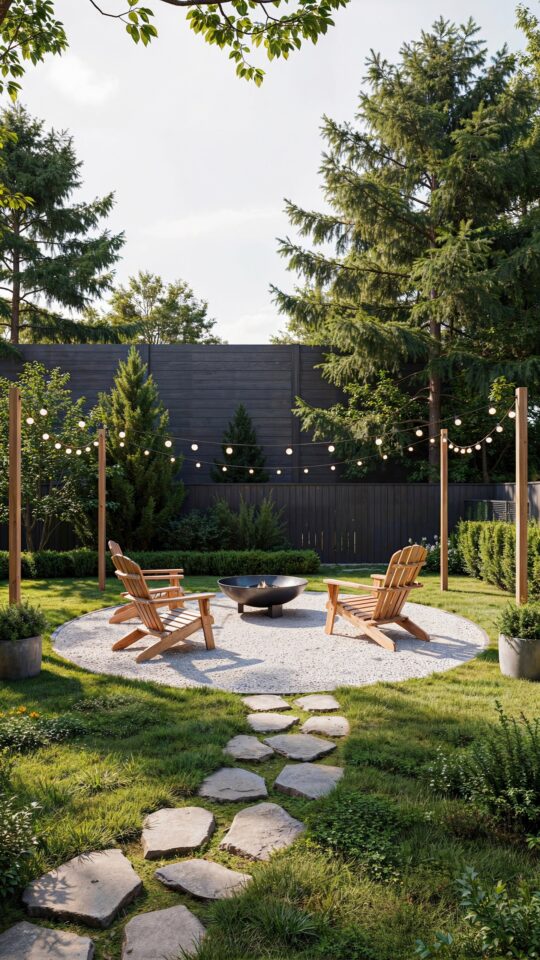
I wanted soft, warm light around our fire pit without permanent posts or digging holes. That is when I discovered the planter post trick. Using planters as bases for string light poles solved every problem: no concrete footings, no permanent holes, and I can move the whole setup if needed. This DIY string light poles project using planters as sturdy posts worked better than I expected, and I want to share exactly what I did so you can get the same result for your backyard.
Why Planters Make the Best Posts for String Lights
I tried a few other ideas before this one. I considered metal stakes, but they looked too temporary. I thought about hanging lights from a pergola, but we do not have one. The planter approach gave me something I had not expected: built in weight and decoration at the same time.
Planters are heavy enough to hold a wooden post upright, especially if you add a bag of gravel or sand to the bottom. Plus they come in colors and styles that match your patio. For my fire pit area I chose dark terracotta planters to blend with the brick ring we have. The posts themselves are just standard pressure treated 4×4 lumber cut to 7 feet tall. That gives enough height for the string lights to hang above head level.
Choosing the Right Planters and Posts for Your Backyard
Not every planter works. I learned that after buying a lightweight plastic pot on clearance. It tipped over the first time I hung a string of lights. Stick with heavy materials like ceramic, concrete, or thick glazed clay. Look for planters that are at least 16 inches in diameter at the top. Smaller pots do not have enough base surface area and the post will rock inside.
For the posts I used standard 4×4 lumber. Cedar or redwood holds up better outdoors but costs more. I went with pressure treated pine and it has lasted two seasons so far with no rot. Cut each post to about 7 feet. If your planter is tall, adjust so the top of the post comes to roughly 8 feet above the ground. That gives room for the lights to hang down gracefully.
- Planter material: concrete, ceramic, or thick clay. Avoid thin plastic or lightweight metal.
- Planter diameter: at least 16 inches at the rim, 12 inches at the base minimum.
- Post material: pressure treated 4×4, or cedar if you prefer natural resistance.
- Post height: 7 feet for most setups, cut shorter if your planter is very tall.
Securing the Post to the Planter for a Polished Look
This is the step that makes the project look intentional rather than cobbled together. I filled the planter about one third full with small gravel for weight and drainage. Then I centered the 4×4 post inside. Next I poured dry quick setting concrete mix around the post, filling to about 2 inches below the rim. I added water gradually according to the bag instructions, mixing it directly in the planter with a stick.
While the concrete was still wet, I used a level to make sure the post was perfectly vertical. I propped it with bricks and let it cure for 24 hours. Once hardened the post felt rock solid. I covered the concrete surface with a thin layer of pea gravel so you cannot see the concrete. From above it just looks like a planter with a wooden post rising out of it, which gives a clean, almost custom built appearance.
Wiring and Hanging Your Fire Pit Lighting
I used a simple outdoor rated string light set with 15 sockets and Edison bulbs. The key was to hang them at the right height for our fire pit. I attached a small eye hook screw into the top of each post, about 1 inch from the end. Then I clipped the first light socket into the hook using a small plastic carabiner. That let me adjust tension later if the line sagged.
Run the string from post to post, keeping it taut but not stretched. You do not want the wire pulling on the bulbs. For our six foot diameter fire pit area I used three posts spaced in a triangle. That created a cozy overhead canopy without blocking the view. I plugged the lights into a GFCI outdoor outlet. If you do not have an outlet close by, use a heavy duty outdoor extension cord rated for wet locations.
Adding Plants and Finishing Touches to Your Planter Posts
The planters look empty if you do not add something around the post. I filled the remaining space around the concrete with potting soil and planted low growing succulents and creeping jenny. The succulents stay short and do not block the post. The creeping jenny spills over the edge, softening the
#DIYStringLightPoles #FirePitLighting #OutdoorPlanterDIY #BackyardStringLights #FirePitAreaDecor
Leave a Comment