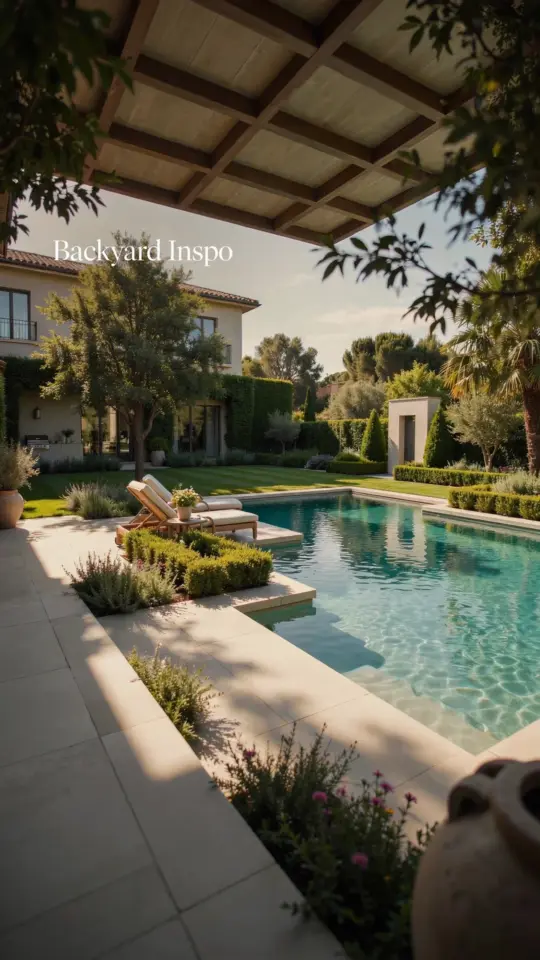
When I first dreamed of turning my backyard into a resort-style escape, I kept coming back to Backyard Beach Pool Ideas. I wanted something that felt like a mini vacation without leaving home, so I started sketching out a shallow pool, a sandy edge, and lush plants that would make the space feel alive. After two summers of tweaking, I finally landed on a setup that actually works. Here is exactly what I did and what I would change if I did it again.
Choosing the Right Shallow Pool Depth for Safety and Fun
I knew I did not want a deep pool. Deep water feels separate from the beach vibe, and it scares small kids. I settled on a maximum depth of 4 feet, with a gradual slope that stays under 2 feet for the first 10 feet from the beach entry. That shallow zone is perfect for lounging on inflatable floats or letting toddlers splash without panic.
If you are building from scratch, consider a zero-entry beach pool. It mimics a natural shoreline, so you can walk right in. I poured a concrete shell with a textured finish, which feels better on bare feet than slippery tile. For existing pools, you can add a shallow beach entry by building a small concrete ramp over the existing floor, but it is easier during new construction.
Why a Sand Border Beats Concrete Decking
At first I thought I would use stamped concrete around the pool. Then I visited a friend who had real sand bordering her pool, and the difference was night and day. Sand stays cooler underfoot, absorbs splashes without creating puddles, and instantly gives off that beachy feel. I used a 6-foot wide band of washed play sand around three sides of the pool.
The trick is to keep sand out of the water. I installed a low retaining wall made of smooth river rock, about 8 inches high, between the sand and the pool edge. That wall stops sand from washing in during heavy rain or when kids run through. Once a month I rake the sand and hose off the rocks. It takes maybe 15 minutes.
- Sand type – washed play sand (fine, no debris).
- Border width – at least 4 feet for loungers and towels.
- Retaining edge – stone, brick, or low timber curb.
- Maintenance – rake weekly, replace top layer every 2 years.
Tropical Landscaping That Survives Splash Zones
I planted tropical poolside plants that can handle occasional chlorine splashes and full sun. Bird of paradise, dwarf banana trees, and hibiscus have held up great. I avoided anything with sharp leaves or aggressive roots that could crack the pool shell. Palms are a classic choice, but I learned that pygmy date palms drop messy fruit, so I went with windmill palms instead.
One mistake I made early on: I planted too close to the sand border. The roots started to push into the retaining wall after two years. Now I keep all plants at least 3 feet from the sand edge, and I use large decorative pots for the most vulnerable varieties. That also lets me move plants around when the sun shifts.
Adding Beach Umbrellas and Cabanas for Shade
Without shade, a backyard beach pool becomes a hot, bright spot that nobody wants to sit in after 11 a.m. I bought two large cantilever umbrellas with tilt bases. They are anchored into
#BackyardBeachPool #OutdoorOasis #BackyardInspo #PoolIdeas #SummerBackyard
Leave a Comment